Stop Waste Tucson

Take Action: Things You Can Do To Reduce Waste

The best way to reduce waste is not to create it in the first place.  Reducing and reusing can decrease resource consumption and lower emissions associated with manufacturing new products.

Implementing zero waste practices at home involves changing routines, reconsidering consumption patterns, and designing systems that work for your household and community.

Keep in mind that transitioning to zero waste is more of a journey than a destination.  It can be helpful to begin with one step at a time and focus on individual areas.  No need to change everything at once.  Focus on making improvements rather than achieving perfection.

Start with simple swaps—like reusable bags, bulk buying, and refillable bottles and mugs—which can lead to a big impact over time.  Remember that every small change you make contributes to a healthier planet and a brighter future for generations to come.  Below are ideas on how to reduce and reuse.

ZERO WASTE PRACTICES
Credit: Stop Waste Tucson

Below are several how-to tips for reducing waste before it starts.

Smart Shopping and Consumption

  • Buy in bulk to reduce packaging waste.
  • Choose reusable cloth napkins, refillable containers, and beeswax wraps.
  • Support local:  Farmers markets and refill stations often have less packaging and lower transport emissions.

Reuse & Repair

  • Upcycle creatively:  Turn jars into planters, old T-shirts into cleaning rags, or pallets into furniture.
  • Repair before replacing:  Fix appliances, mend clothes, and patch up furniture.
  • Host a swap event:  Trade clothes, books, or tools with neighbors — builds community and cuts waste.

Smarter Management

  • Recycle right:  Know what’s accepted in Tucson’s recycling program — contamination is a big issue.
  • Hazardous waste drop-off:  Properly dispose of batteries, paint, and electronics at designated facilities.

Mindset & Education

  • Track your waste for a week to spot patterns.
  • Teach youth about sustainability — make it a shared mission.
  • Celebrate progress:  Share wins with your family and friends to inspire others.
REDUCE FOOD WASTE
Credit: Rice County (MN) Environmental Services

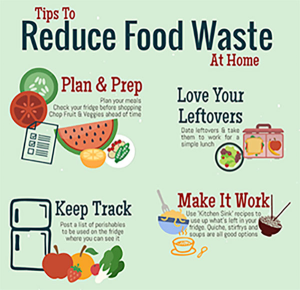
Here are some practical and creative tips to help reduce food waste at home:
Smart Kitchen Habits

  • Track one waste stream at a time: Start by measuring how much of one item (like coffee grounds or bread crusts) you toss each week. This helps you focus and make lasting changes.
  • Use the “First In, First Out” rule: Organize your fridge and pantry so older items are used before newer ones.
  • Create a “Eat Me First” bin: Label a section in your fridge for foods that need to be eaten soon — it’s a visual cue that works wonders.

Smarter Shopping

  • Shop with a flexible meal plan: Build your grocery list around ingredients you already have and meals you’ll cook.
  • Buy hardy produce: Cabbage, carrots, apples, and potatoes last longer and reduce spoilage risk.

Storage Tips

  • Label and date leftovers: Helps you remember what’s safe to eat and when.

Community & Mindset

  • Share excess: Offer surplus food or coffee grounds to neighbors or community gardens.
  • Join local challenges: Encourage mindful habits and community action.
  • Participate in a food waste collection program.
PLASTIC USE REDUCTION
Credit: Less Plastic UK

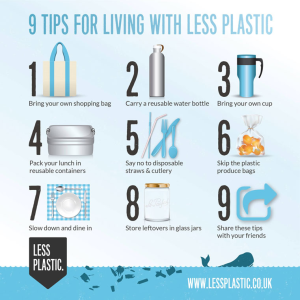
Here’s a quick guide for reducing single-use plastics at home, work, or on the go.

Everyday Swaps

  • Bring reusable cloth bags for shopping— Keep a few in your car, backpack, or by the door so you’re never caught without one.
  • Switch to refillable bottles & mugs —Switch to a stainless-steel travel mug or water bottle for coffee and other drinks while out.
  • Ditch plastic straws & cutlery — Use metal or glass versions or simply skip them when possible.
  • Carry you own containers for leftovers.
Food Storage & Shopping

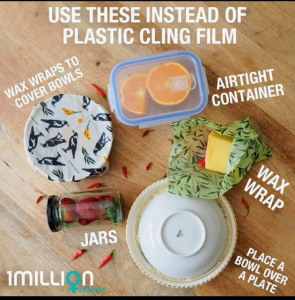
  • Replace plastic wrap — Beeswax wraps, silicone lids, or reusable containers keep food fresh without the waste.
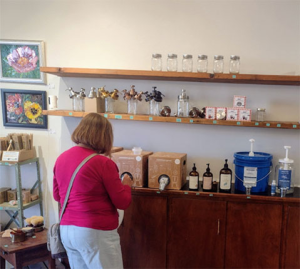
  • Buy in bulk — Bring your own jars or cloth bags for grains, nuts, and spices to avoid excess packaging.
  • Choose loose produce — Skip the pre‑bagged fruits and veggies; reusable produce bags work well here.
PLASTC USE REDUCTION
Credit: 1 Million Women

Household & Personal Care

  • Refill stations — Use bulk refill shops (e.g., Cero Tucson or Food Conspiracy Co-op) for cleaning products, shampoo, and soap.
  • Bar soaps & shampoos — Solid bars often come in paper packaging.
  • Reusable cleaning cloths — Replace paper towels with washable rags.

Community & Policy Action

  • Support local campaigns to reduce disposables, such as Skip the Stuff and Bring Your Own.
  • Encourage businesses to offer incentives for bringing your own containers.
  • Host “plastic‑free challenges” in schools, neighborhoods, or workplaces to build momentum.
  • Tell your locally elected officials to prioritize policies and programs that cut plastic waste at the source instead of perpetuating throwaway systems and single-use habits.