Residential Recycling
RECYCLING CONDITIONS IN TUCSON
Tucson’s residential recycling rate has fallen from 26% in 2003 to around 10–11% a year, about half the national average. The City’s recycling program (i.e. curbside pickup and drop-off sites) also faces persistent monthly contamination rates of 20%-25%, resulting from non-recyclable or improperly prepared materials—such as food-soiled containers, plastic bags and tanglers—being placed in recycling carts. Elevated contamination rates result in the City incurring annual penalties, amounting to hundreds of thousands of dollars for contaminated loads delivered to the local materials recovery facility.
In addition to the challenges faced by the City’s residential recycling program, limited recycling access affects many multifamily buildings (e.g., apartment complexes, condominiums and townhouses) in Tucson and nearby communities. This is a common problem nationally; only 30%-40% of such units have recycling options. Key challenges are infrastructure, space, education and property management hurdles.
BOOSTING PARTICIPATION
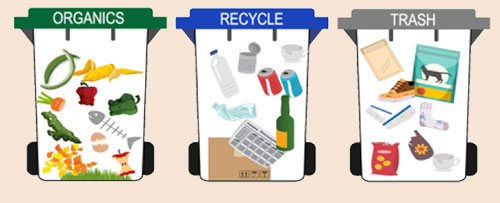
National research indicates that public confusion, not apathy, is the leading cause of underperforming recycling outcomes in communities. Residential recycling increases when it is simple, rewarding, and socially accepted. Communities that have moved the needle on recycling participation often combine education that builds confidence with incentives that make the habit rewarding. The most successful programs treat these as two sides of the same coin — knowledge removes barriers, and incentives keep people engaged long-term.
Credit: San Joaquin County (CA), Department of Public Works
Credit: City of Akron and Waste
REDUCING CONTAMINATION
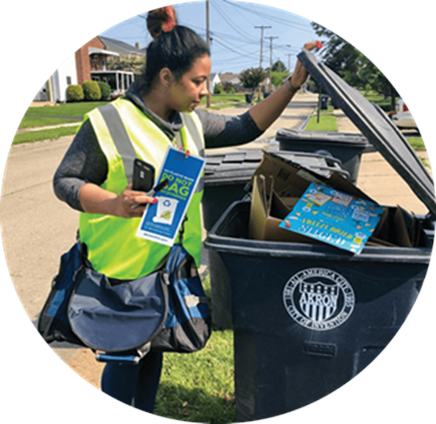
Contamination rates of 20%–35% are not uncommon in U.S. cities, but effective interventions can significantly reduce them. One approach to improve the quality of recycling is the Recycling Partnership’s “Feet on the Street” cart-tagging program. This program is designed to provide residents with personalized and real-time curbside recycling education and feedback.
The Feet on the Street program has helped over 70 communities reduce nonrecyclables in recycling by up to 57% and increase quality recyclable capture by 27%. In Washington, D.C., bin inspections and outreach cut contamination from 33% to 11%. Jacksonville, FL saw a 21%–23% drop in contamination after a year-long campaign across 230,000 households.
EXPANDING ACCESS
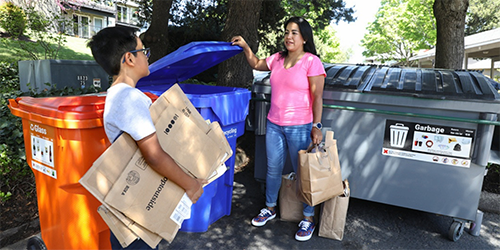
Despite the challenges, some cities have developed effective solutions for multi-family buildings to increase recycling rates and provide equitable access to services. These efforts include partnering with property managers, customizing recycling systems, and providing starter kits. Cities like Orlando and Tacoma have boosted multi-family participation through multilingual signs, workshops, and outreach.
Credit: Portland Bureau of Planning and Sustainability
ENHANCING RECYCLING CONDITIONS IN TUCSON
Numerous communities have increased recycling participation and minimized contamination through the deployment of improved infrastructure, strategic outreach, and the use of incentives. The most effective recycling initiatives result from strong collaboration among municipal agencies, waste haulers, businesses, property managers, community groups, and residents.
Below is a summary including practical examples for enhancing recycling efforts in Tucson and neighboring areas.
Education, Incentives, and Partnerships
- Develop customized educational campaigns, such as city-specific signage and social media outreach, to minimize contamination.
- Organize events that demonstrate the recycling process to residents, fostering trust and encouraging participation.
- Direct tailored messaging and deploy community ambassadors in areas with low recycling participation.
Curbside Cart Tagging
- Implement the “Feet on the Street” cart-tagging program, systematically rotating it throughout the community to help reduce contamination.
- Inform residential customers about appropriate materials sorting by utilizing resources such as “Oops Tags” on recycling carts to identify errors and provide clear instructions on acceptable items.
- Pilot camera technology and smart bin sensors on municipal recycling vehicles to identify contamination and non-recyclable materials at the household level.
Incentives
- Test a three-tiered Pay-As-You-Throw pricing structure (charging more for landfill waste than recycling), using distinct price levels to encourage waste reduction and improved recycling habits.
- Provide rebates, discounts, or contest entries to individuals who regularly recycle.
Multifamily Buildings
- Measure existing recycling services and pinpoint both opportunities and challenges within multifamily residential settings.
- Create a task force, consisting of building managers, private waste haulers, residents, and business associations, to help identify best recycling practices for multifamily properties.
- Provide property managers with complimentary starter kits, including bins, posters, and instructional materials, to educate occupants.
- Create on-site technical support resources to assist managers in optimally locating recycling bins or containers.
- Conduct regular training and outreach for building staff to sustain proper recycling behaviors.
Audits & Reporting
- Commission a formal audit of the residential recycling program to gain detailed insights into tonnage, participation rates, contamination levels, and market trends.
- Post quarterly reports breaking down residential, commercial and self-haul tonnage for garbage, recycling and organics. Use the reports to continuously improve operations and transparently report progress.
- Distribute monthly updates through newsletters, websites and social media to inform residents of recycling and composting metrics and promote continued engagement.
Mixed Waste Recycling
- Refrain from replacing the current single-stream recycling system with a one-cart model, in which recyclables are combined with general waste and sorted at a mixed waste processing facility. Do not use systems that turn plastic, paper, or other materials into refuse-derived fuel.