
Stop Waste Tucson

ABOUT STOP WASTE TUCSON

About us at Stop Waste TucsomWelcome to Stop Waste Tucson — a central hub for information on policies, programs, and infrastructure aimed at preventing waste before it is generated.

We promote transparent, community-driven solutions that prioritize reuse, reduction, and repair, rather than measures that manage waste after its creation.    

Our goal is to facilitate the development of more informed and sustainable communities by encouraging residents, businesses, institutions, and policymakers to reconsider their consumption habits, system designs, and resource use.  
WASTE CRISIS IN AMERICA

  • Since 1980, total municipal solid waste generation in the U.S. has increased by 93%, and per capita waste generation has risen by 34%.
  • Americans generate an average of 4.9 pounds of waste per person daily, adding up to about 1,800 pounds each year—a rate that shows no signs of improving.
  • The bulk of these materials are landfilled, followed by recycling, incineration, and composting.
  • Local governments face major challenges managing large volumes of solid waste, including limited funding, infrastructure gaps, growth in waste streams, low public awareness, and environmental challenges.
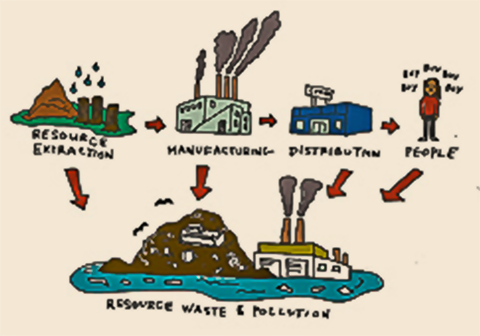
resource extraction pollution

Credit: Recycle Ann Arbor

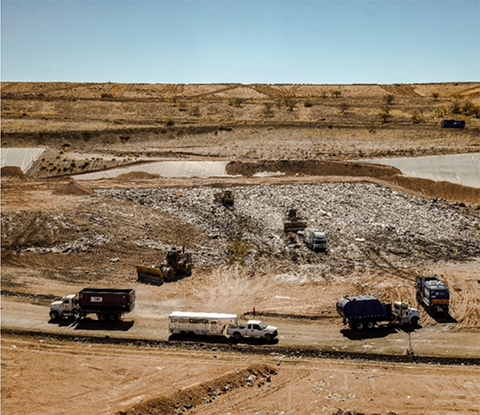
Tucson Dump

Credit: Stop Waste Tucson

LOCAL WASTE MANAGEMENT: TUCSON

  • Over 700,000 tons of solid waste is sent annually to the City of Tucson’s Los Reales Landfill.
  • This landfill receives waste generated from households, businesses, schools, and institutions in the metro area.
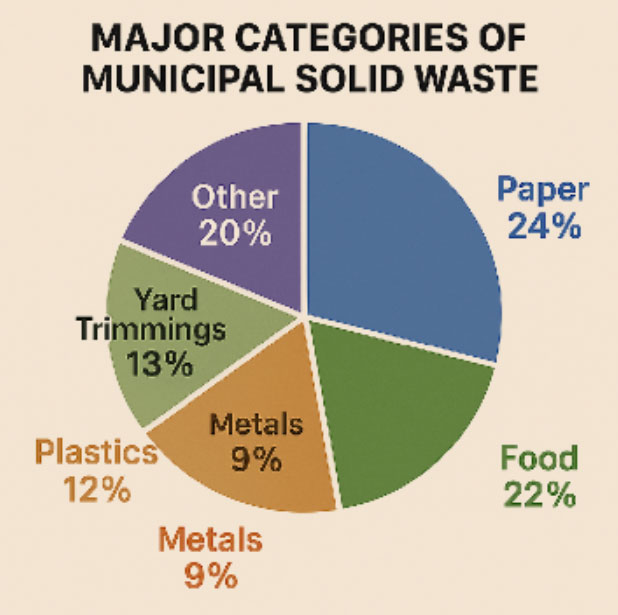
  • The largest material types are food scraps, construction and demolition debris, paper, and plastic.
  • The City offers curbside and drop-off recycling services for residential and small institutional buildings.
  • Only 4%-6% of the waste delivered to the landfill is diverted for recycling, composting, or other purposes.

NEED FOR SMARTER WASTE SOLUTIONS

Recycling alone is not adequate to address the current rate of waste generation. We must:

  • Place greater emphasis on reducing waste at the source through better design and consumer choices to lessen municipal waste management demands.
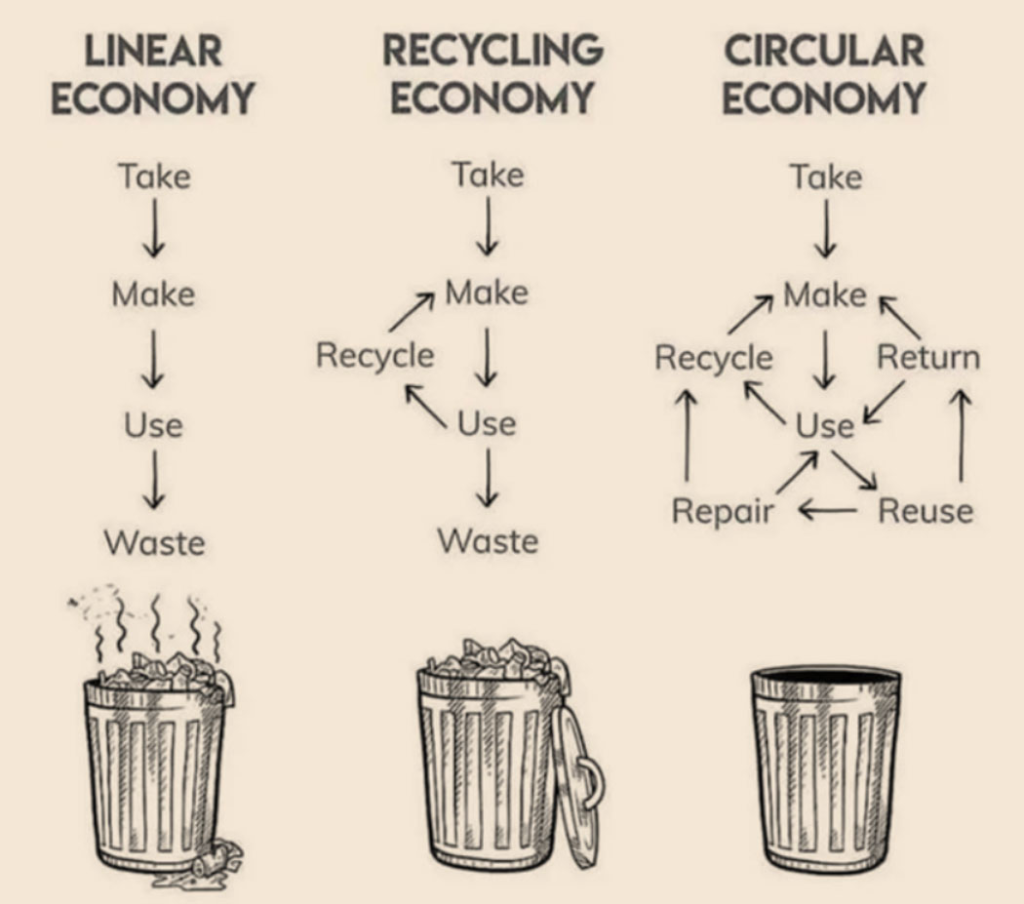
  • Transition from extractive, disposable systems (“take-make-use-dispose”) toward circular systems that minimize waste generation and facilitate the recovery of materials for reuse, refurbishment, recycling, and composting.
  • Consider every stage of a product or material lifecycle—from raw material extraction and manufacturing to consumption and disposal—to address climate change and resource consumption.
Recycle Economy

Credit: R/fittingroom

Topics Solid Waste

Credit: U.S. EPA

STOP WASTE TUCSON: MISSON & CORE VALUES:

We advocate for policies and programs in the Tucson metro area that:

  • Promote waste reduction, reuse, circular design, separate collection, and closed-material loops.
  • Provide accessible and convenient materials recovery and recycling for all residents.
  • Enhance opportunities for households, businesses, and institutions to compost food waste.
  • Ensure widespread stakeholder involvement in local decision-making processes.
  • Avoid “false solutions” to the waste crisis that perpetuate throwaway systems and single-use habits.