Menu
Zero Waste Roadmap & Recommended Actions
Credit: United States Geological Survey
ZERO WASTE PLANNING
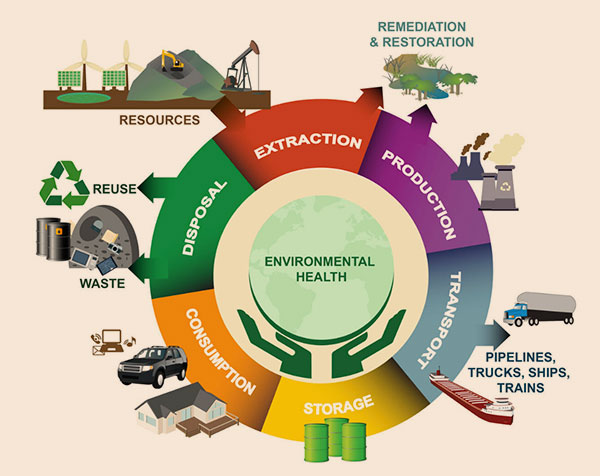
- The U.S. EPA reports that approximately 42% of greenhouse gas (GHG) emissions are associated with the energy required to produce, process, transport, and dispose of goods and food.
- Consumption serves as a major factor contributing to GHG emissions. Increased purchasing and disposal of products require more energy for manufacturing new items, which leads to a rise in climate-related emissions.
- Consuming less and keeping materials in their original production loops reduces upstream GHG emissions and other pollutants from extraction, production, and transport.
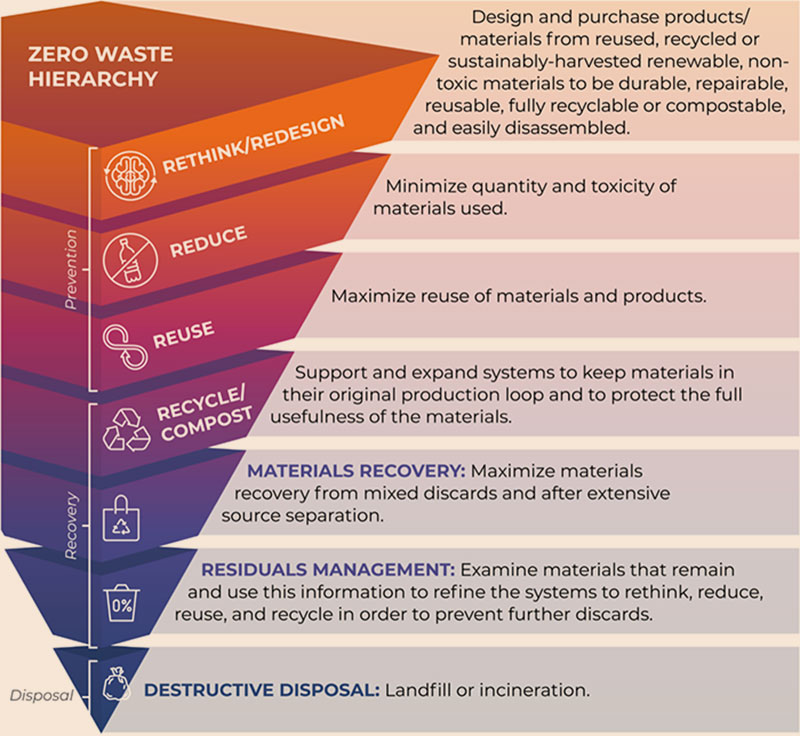
Numerous U.S. cities now have zero waste plans that prioritize eliminating or reducing waste at the source instead of managing it after the fact. This helps conserve energy, save resources, and cut climate emissions. - Zero waste emphasizes reduction, reuse, refill, and refurbishment over recycling and composting, promoting both systemic and behavior changes to address the root causes of our current linear use of materials.
- Creating a zero waste plan requires broad public involvement and cross-sector coordination to ensure effective implementation.
LOCAL INITIATIVE: TUCSON ZERO WASTE ROADMAP
- In September 2021, Tucson Environmental Services (TES) announced a planning initiative known as the Zero Waste Roadmap to support City Council objectives for waste reduction: achieving 50% waste diversion by 2030 and zero waste by 2050.
- At the start of the planning process, several challenges emerged; TES prioritized downstream waste management, whereas stakeholder engagement and source reduction measures received relatively limited attention.
- During the initial research and evaluation phases, TES focused its attention on high-temperature waste treatment technologies designed to convert plastics, paper, cardboard, and other materials into fuel or energy at the Los Reales Landfill. The department:
- 2021: Selected specific sites at the landfill for a waste-to-energy incinerator and plastic-to-fuel conversion facility.
- 2022: Researched a wide range of high heat technologies, including combustion, pyrolysis, and gasification with assistance from an engineering consulting firm.
- 2022: Held discussions with waste-to-energy vendors and reviewed 12 project proposals submitted for information.
- 2023: Proposed two waste-to-fuel systems for a planned tech park in the city; later withdrawn due to health and environmental concerns.
- 2024: Approved sending plastic waste from drop-off sites to chemical recycling and cement kiln facilities through the Hefty ReNew orange bag program.
- A plastic pyrolysis facility has been proposed for development in Eloy, Arizona; however, construction of the plant has yet to begin.
- The TES zero waste initiative offered minimal public outreach and stakeholder engagement.
- The initial six planning steps occurred privately without public input.
- In 2022, just one community meeting took place, with low turnout and no meaningful follow-up.
- TES completed the Zero Waste Roadmap in September 2023 without providing an opportunity for stakeholder input on the final draft plan.

Credit: Eco-Cycle
RECOMMENDED ACTIONS FOR THE CITY LEADERS
- Given the shortcomings of the current zero waste plan, it is suggested that the Mayor and City Council direct TES to initiate a new zero waste planning initiative for the community. The planning process should include:
- Establishing a stakeholder advisory committee to provide guidance to the department throughout the process.
- Soliciting public input for the new plan through a series of workshops, listening sessions, and forums throughout the community.
- Engaging on zero waste topics with the public, with in-person and online surveys, and events in public places.
- Creating a 10-15-year zero waste plan with shared goals, strategies, timelines, and metrics.
- Posting quarterly reports detailing progress on the implementation of the plan.
Credit: City of San Jose, Environmental Services