Protect Pinal County Air Quality: Why Residents Are Speaking Out
Eloy. AZ is at the center of an important public health and air quality debate.
A growing number of Pinal County residents have signed a petition urging the Pinal County Air Quality Control District to deny the updated air permit for a proposed plastic pyrolysis facility by Freepoint Eco-Systems.
Their message is simple: Protect Pinal County. Put clean air first.
What Is Being Proposed?
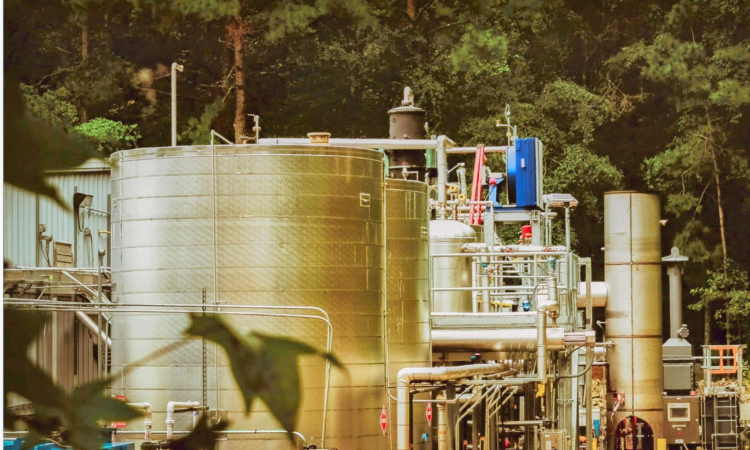
Freepoint proposes to heat and melt plastic waste at extremely high temperatures in a process known as pyrolysis. The plastic would be broken down into oil, gas, and residual char/ash. The main product, pyrolysis oil, largely ends up as fuel. Only a relatively small fraction is further refined and mixed with virgin fossil inputs to make new plastic.
Although the company describes this as “advanced recycling,” residents argue the process functions much like waste combustion. The concern is not what the process is called — it’s what comes out of the facility.
Pollution Risks to the Community
Plastic pyrolysis can release hazardous air pollutants during normal operation, including:
- Benzene and toluene
- Polycyclic aromatic hydrocarbons
- Acid gases
- Dioxins and furans
- Fine particulate matter
These pollutants are associated with increased risks of cancer, asthma, cardiovascular disease, and other serious health conditions.
Children, seniors, and individuals with underlying respiratory or heart conditions are particularly vulnerable. For residents living near the proposed facility site, the risks are direct and personal.
Concerns About Regulatory Oversight
Supporters of the petition argue that Freepoint is attempting to classify pyrolysis as “recycling” or manufacturing in order to avoid stricter incinerator-style regulations. Those stronger standards typically require:
- More robust pollution controls
- Continuous emissions monitoring
- Greater public transparency
Federal clean air laws regulate emissions based on what is released into the air — not how a company markets its process. Petitioners believe reclassifying high-temperature waste treatment as recycling would weaken environmental safeguards.
A Troubling Industry Pattern
Across the United States, plastic pyrolysis facilities have experienced:
- Fires
- Explosions
- Equipment failures
- Unplanned shutdowns
Such disruptions can elevate the risk of uncontrolled emissions, particularly during startups and malfunctions — periods known to produce pollution spikes.
Many projects nationwide have also struggled with operational instability and financial viability. When facilities fail or operate inconsistently, communities may be left dealing with environmental consequences long after companies move on.
Freepoint’s Compliance Record
Freepoint’s existing pyrolysis facility in Hebron, Ohio has been cited for several air-permit and regulatory violations within a roughly one-year period. According to public records, those violations have included:
- Visible smoke and excess particulate emissions
- Improper venting of process gases
- Failure to report malfunctions in a timely manner
Petition supporters say this history raises legitimate concerns about compliance, reliability, and the enforceability of permit conditions in Eloy.
The Call to Action
Pinal County residents are asking regulators to act cautiously and prioritize public health.
They are urging the Pinal County Air Quality Control District to deny the updated permit and prevent what they view as an attempt to bypass strong regulatory oversight for high-temperature waste treatment.
For the growing number of residents who have signed the petition, the message is clear: Clean air is not optional. It is a shared public resource.
