Plastic Pyrolysis and the Push to Weaken Air Pollution Rules
Communities across the country are increasingly being asked to host plastic pyrolysis facilities marketed as chemical—or “advanced”—recycling solutions. But beneath the industry’s green branding lies a growing debate over whether these facilities should continue to be regulated as sources of waste combustion and hazardous air pollution.
At the request of the petrochemical and plastic industries, the U.S. Environmental Protection Agency is considering changes that could weaken federal air quality oversight for plastic pyrolysis operations by treating them more like manufacturing facilities and less like waste combustion units under Section 129 of the Clean Air Act.
That proposal deserves careful scrutiny.
What Is Plastic Pyrolysis?
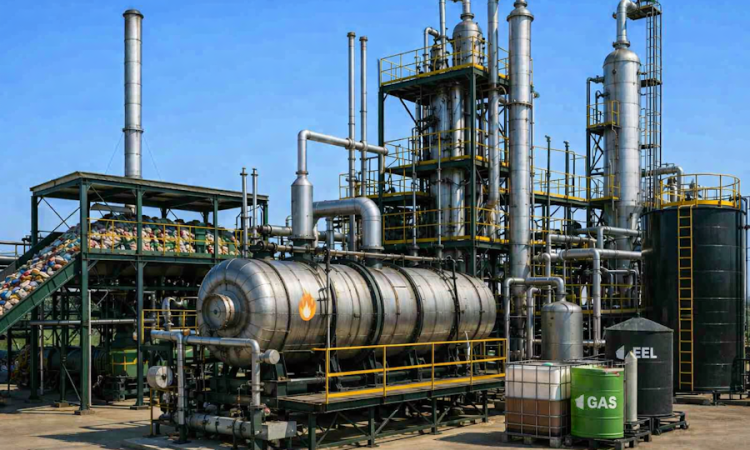
Plastic pyrolysis involves heating discarded plastic waste to extremely high temperatures in a low-oxygen environment to break the material down into pyrolysis oil, gas, and char. Industry proponents often describe the process as recycling. However, much of the resulting oil is ultimately burned as fuel or heavily blended with large amounts of virgin inputs using fossil-fuel infrastructure.
Unlike mechanical recycling, pyrolysis does not preserve the original material structure of the plastic. Instead, it thermally deconstructs waste into hydrocarbon products through an energy-intensive industrial process.
Why the Regulatory Debate Matters
Section 129 of the Clean Air Act establishes strict standards for facilities that combust or thermally treat solid waste. These rules require advanced pollution controls, continuous emissions monitoring, operator training, public reporting, and strong compliance oversight.
Environmental and community advocates argue that plastic pyrolysis facilities fall within the legal scope — of these protections because they:
- Accept discarded plastic waste;
- Subject that waste to high-temperature thermal treatment;
- Produce combustible gases and oils; and
- Often rely on combustion devices such as flares, burners, thermal oxidizers, or process heaters as part of routine operations.
EPA’s proposal to weaken or narrow the application of these requirements could significantly reduce oversight of an industry seeking to grow its market share.
Air Pollution Concerns Remain Significant
Plastic pyrolysis facilities can emit a range of pollutants associated with petrochemical and combustion processes, including:
- Volatile organic compounds;
- Benzene and other hazardous air pollutants;
- Fine particulate matter;
- Nitrogen oxides;
- Carbon monoxide;
- Acid gases;
- Dioxins and polycyclic aromatic hydrocarbons.
Even though pyrolysis systems are often described as “oxygen-free,” real-world industrial operations are rarely perfect. Air can enter systems through valves, seals, feed systems, maintenance operations, startup and shutdown cycles, or pressure fluctuations. When oxygen mixes with hot hydrocarbons at elevated temperatures, combustion-related pollutants can form.
Critics argue that weakening federal oversight before the industry demonstrates long-term operational stability and emissions performance could expose nearby communities to unnecessary risk.
Recycling Should Not Become a Regulatory Loophole
The larger concern is that redefining pyrolysis as “manufacturing” rather than thermal waste treatment could create a pathway for weaker oversight of processes that still involve heating discarded waste and generating combustion-related emissions.
Calling something “recycling” does not automatically eliminate pollution risks.
If plastic pyrolysis facilities are truly safe, clean, and environmentally beneficial, they should be able to meet strong air quality standards, continuous emissions monitoring requirements, and rigorous public accountability measures.
Communities should not be asked to trade clean air protections for industry promises.
