
Recycling Alone Will Not Solve Our Waste Crisis
For decades, the public has been told that recycling is the answer to the growing waste problem. Blue bins, recycling symbols, and feel-good advertising campaigns have encouraged people to believe that if products are recycled, their environmental impacts will largely disappear.
But research increasingly shows that recycling can sometimes create an unintended consequence: it may encourage people to consume more.
Behavioral scientists call this phenomenon “moral licensing.” When people believe they are doing something environmentally responsible — like recycling — they may feel less guilty about buying disposable products, accepting excessive packaging, or replacing items more frequently.
A study published in the Journal of Marketing Research found that people often waste more when recycling options are available because recycling reduces the negative feelings associated with throwing things away. Other researchers have described similar “rebound effects,” where environmentally friendly actions unintentionally lead to increased consumption later.
This does not mean recycling is bad. Recycling can conserve materials and reduce landfill disposal in some situations. But recycling has limits — especially for plastics.
Most plastic is never recycled into the same product again. Instead, plastic recycling often results in lower-quality materials, limited reuse cycles, or products that are eventually landfilled or burned. Meanwhile, the production of virgin plastic continues to rise worldwide, generating significant greenhouse gas emissions and pollution long before an item reaches a recycling bin.
Even successful recycling systems still require:
- Collection trucks,
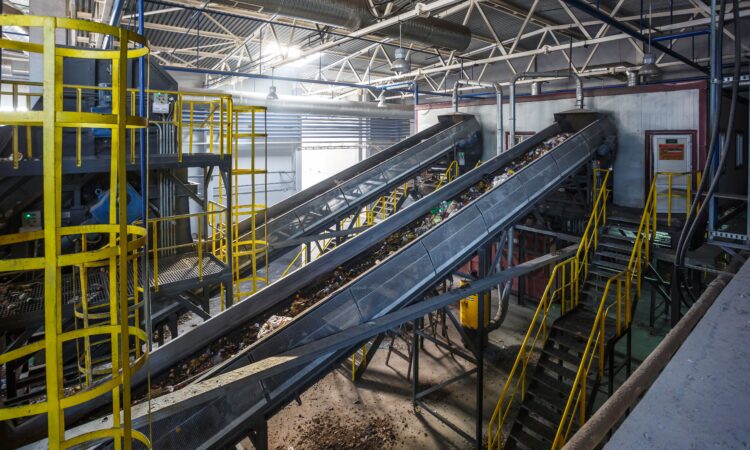
- Sorting facilities,
- Transportation,
- Cleaning,
- Shredding,
- Industrial reprocessing.
All of these activities consume energy and create emissions.
The larger problem is that recycling is often presented as a license for continued overconsumption. Disposable products are marketed as “sustainable” simply because they are technically recyclable — even when they are used for only a few minutes before disposal.
This mindset distracts from the solutions that have the greatest environmental benefits: reducing waste in the first place.
That is why many environmental advocates emphasize a different hierarchy that puts the main emphasis on waste prevention:
- Reduce
- Reuse
- Repair and refill
- Recycle
- Dispose
Reducing consumption avoids pollution before it is created. Reuse and refill systems eliminate the need for constant manufacturing and disposal. Durable products conserve far more energy and resources than repeatedly recycling disposable ones.
Communities across the country are beginning to recognize this shift. Refill programs, reusable foodware systems, repair cafés, and packaging reduction initiatives are growing because they address the root cause of waste rather than simply managing it after disposal.
Recycling still has a role to play — but it should be treated as a last resort after waste prevention efforts have been exhausted, not as the centerpiece of environmental policy.
If we truly want to reduce climate pollution, protect public health, and conserve resources, we must move beyond the illusion that we can simply recycle our way out of the waste crisis.
