Join the Plastic Free July Challenge: Small Changes, Big Impact Every year, millions of people around the world come together to take part in Plastic Free July—a global movement aimed at reducing our reliance on single-use plastics. It’s a simple but powerful idea: say “no” to…
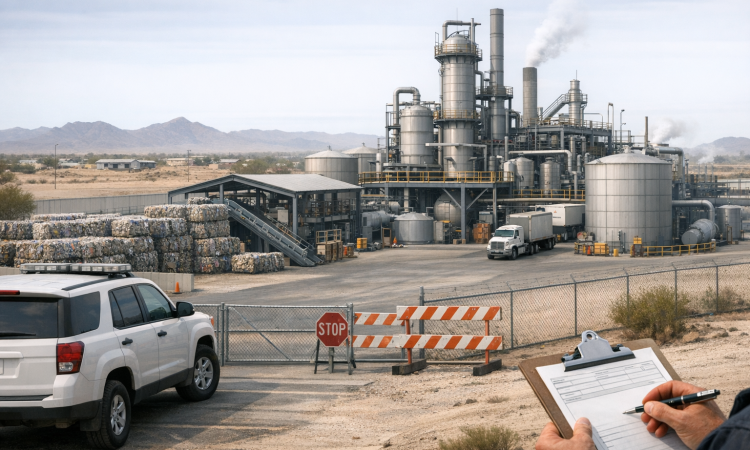
Ohio’s Experience with Freepoint Eco-Systems Plastic Pyrolysis Plant Should Prompt Greater Scrutiny in Eloy
Ohio’s Experience with Freepoint Eco-Systems Plastic Pyrolysis Plant Should Prompt Greater Scrutiny in Eloy On May 28, 2026, Freepoint Eco-Systems notified the Ohio Environmental Protection Agency it would suspend operations at its plastic pyrolysis facility in Hebron, OH, bringing relief to residents after months of environmental…
Choose to Refuse, Not Waste: Why It’s Time to Skip the Stuff
Choose to Refuse, Not Waste: Why It’s Time to Skip the Stuff Many takeout meals come with a pile of extras most people never asked for: plastic forks, napkins, condiment packets, straws, and stirrers. These items are often used for only a few minutes before being…
Recycling Alone Will Not Solve Our Waste Crisis
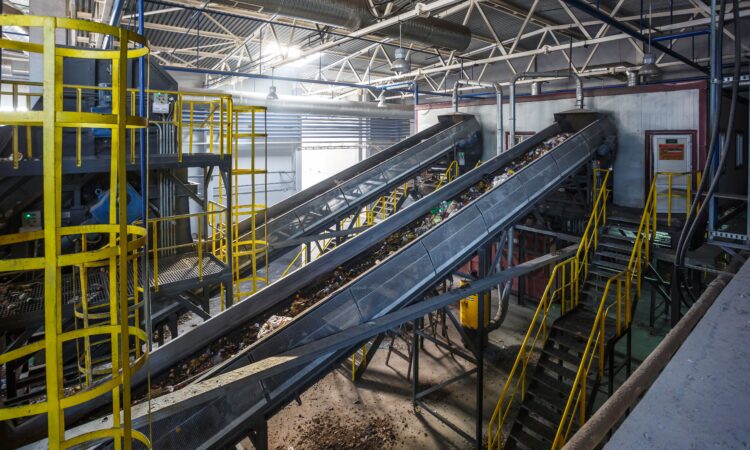
Recycling Alone Will Not Solve Our Waste Crisis For decades, the public has been told that recycling is the answer to the growing waste problem. Blue bins, recycling symbols, and feel-good advertising campaigns have encouraged people to believe that if products are recycled, their environmental impacts…
Plastic Pyrolysis and the Push to Weaken Air Pollution Rules
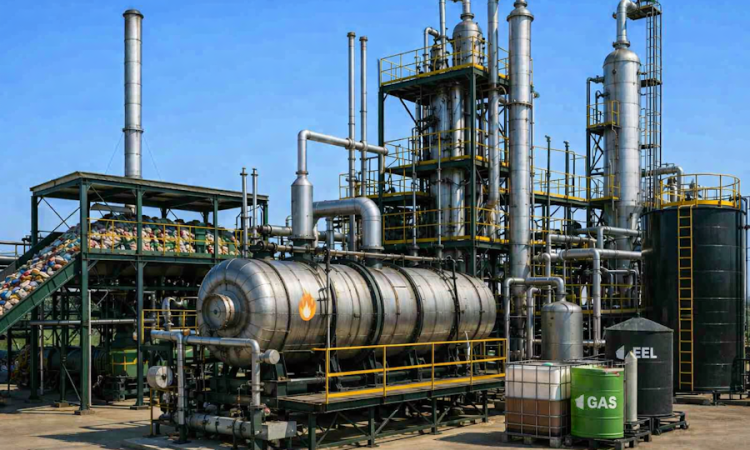
Plastic Pyrolysis and the Push to Weaken Air Pollution Rules Communities across the country are increasingly being asked to host plastic pyrolysis facilities marketed as chemical—or “advanced”—recycling solutions. But beneath the industry’s green branding lies a growing debate over whether these facilities should continue to be…
Cutting Plastic at the Source: Why Production Caps Are Essential to Meet Global Climate Goals
Cutting Plastic at the Source: Why Production Caps Are Essential to Meet Global Climate Goals Plastic pollution is often framed as a waste problem—but that framing misses the bigger picture. Plastic is, fundamentally, a fossil fuel product. From extraction to disposal, it carries a heavy climate…
Reuse and Refill: The Climate Solution Hiding in Plain Sight
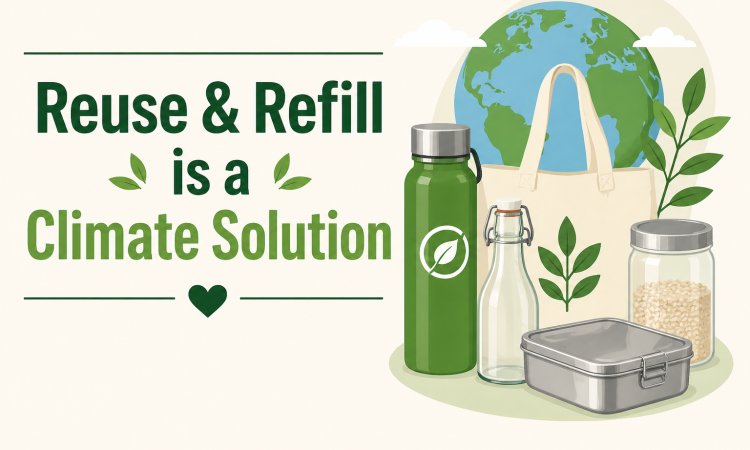
Reuse and Refill: The Climate Solution Hiding in Plain Sight When it comes to reducing climate pollution, recycling often gets the spotlight. But if we’re serious about cutting greenhouse gas emissions, we need to shift our focus upstream—toward reuse and refill systems. While recycling plays a…
Tucson Can’t Manage What It Doesn’t Measure: Set Real Targets for Recycling and Composting
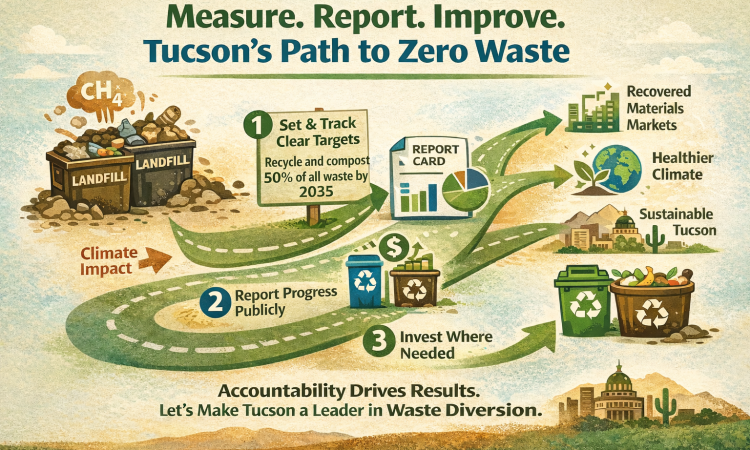
Tucson Can’t Manage What It Doesn’t Measure: Set Real Targets for Recycling and Composting Tucson has talked about zero waste for years. But talk doesn’t divert trash—clear goals and accountability do. If the City is serious about reducing landfill waste, cutting methane emissions, and building a…
Data Centers Without Waste: Why Tucson Should Require Zero Waste Standards Now
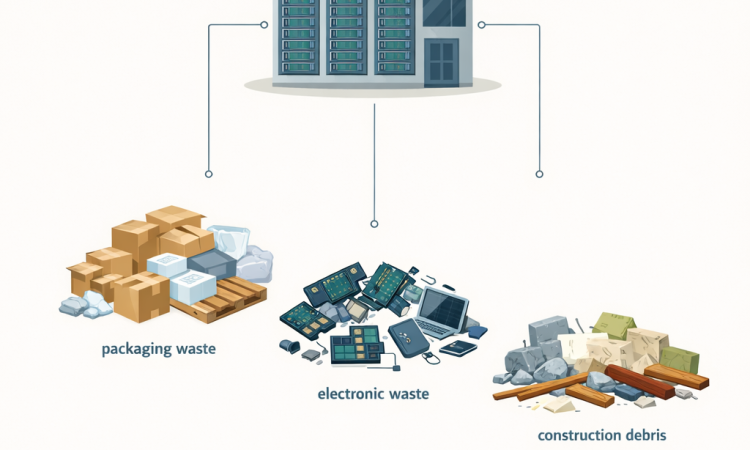
Data Centers Without Waste: Why Tucson Should Require Zero Waste Standards Now As Tucson considers updates to its development code to accommodate large-scale data centers, the conversation has largely focused on energy use and water consumption.  Those are critical issues—but they are only part of the…
Tucson’s Landfill Methane Problem: A Path Forward for Real Climate Action
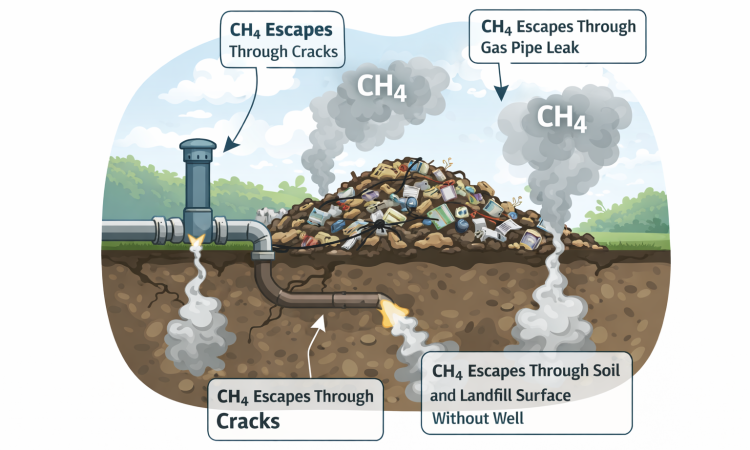
Tucson’s Los Reales Landfill sits quietly on the southeast side, rarely noticed by most residents. Yet, what happens there has profound consequences for our climate, and it’s a place where Tucson can lead by example. As we grapple with the realities of climate change, tackling methane…